
In many UK secondary schools, the pressure of end‑of‑term examinations creates a palpable wave of anxiety that can cripple individual performance and erode classroom morale. When Ms. Patel, a veteran Year 9 Maths teacher at St. Mary's Academy, observed her students trembling before a pivotal algebra test, she realized that traditional remediation—extra worksheets and quiet study time—was not addressing the root cause. Instead, she decided to experiment with a team‑based approach that reframed stress as a shared challenge rather than an isolated burden.
The experiment unfolded over six weeks, during which Ms. Patel introduced structured peer‑support circles, a ‘Resilience Scorecard’ derived from the UK Department for Education’s wellbeing framework, and a series of reflective debriefs after each mock test. The results were striking: average test scores rose by 12%, while self‑reported anxiety levels dropped by 35%. This case study not only demonstrates the power of collective coping mechanisms but also provides a replicable blueprint for teachers and parents seeking to turn test anxiety into lasting team resilience.
Creating Structured Peer‑Support Circles
Ms. Patel began by dividing her class of 28 students into five balanced groups, each containing a mix of high‑achievers, average performers, and those who historically struggled with test nerves. She used the ‘Circle of Trust’ model, originally piloted at Manchester High School, to give each student a clear role—timekeeper, note‑taker, encourager, and challenger. During a 15‑minute pre‑test huddle, groups discussed personal stress triggers and collectively set a micro‑goal, such as maintaining steady breathing or recalling a specific formula. This routine mirrored the peer‑coaching strategies documented in a 2022 Education Endowment Foundation report, which found that structured peer interaction can improve confidence by up to 18%.
The circles served a dual purpose: they normalized anxiety by showing students they were not alone, and they created accountability that motivated quieter pupils to speak up. For example, Jamal, who previously avoided answering questions, began sharing a mnemonic for quadratic equations after his group praised his contribution. Over three sessions, the groups reported a 20% increase in perceived support, measured through a simple Likert‑scale questionnaire. The data confirmed that when students see their peers actively coping, they adopt similar strategies, turning individual stress into a collective strength.
To sustain the practice, Ms. Patel introduced a rotating leadership schedule, ensuring each student experienced different responsibilities. This rotation prevented dominance by a single voice and encouraged empathy, as students who once felt vulnerable learned to guide others. The result was a classroom culture where resilience was not an abstract concept but a lived, shared habit.
Implementing the Resilience Scorecard
Inspired by the Wellbeing Framework published by the UK Department for Education, Ms. Patel designed a Resilience Scorecard that tracked three key indicators: emotional regulation, collaborative effort, and reflective learning. Each indicator was scored on a 0‑5 scale after every mock test, and the scores were displayed anonymously on a classroom dashboard. The dashboard resembled the one used at Greenfield Primary in Birmingham, where a similar tool helped teachers identify at‑risk students within two weeks of implementation.
Students learned to self‑assess by answering prompts such as “Did I use a calming technique during the test?” and “Did my group discuss one improvement after the test?” The scorecard encouraged honest reflection rather than competition, because the highest scores were celebrated as evidence of collective growth, not individual superiority. Over the six‑week period, the average Resilience Score rose from 7.2 to 9.8 out of a possible 15, indicating a measurable shift in students’ coping habits.
Ms. Patel also shared the aggregated results with parents during a virtual evening meeting, providing concrete evidence of progress. Parents of pupils like Aisha, who previously expressed concern over her son’s test panic, reported feeling reassured when they saw the upward trend. This transparent communication reinforced the home‑school partnership, showing that data‑driven insights can bridge the gap between classroom interventions and parental support.
💡 See also: How to Turn Quiet Primary Classrooms into Collaborative Labs
Embedding Reflective Debriefs After Every Test
After each mock test, Ms. Patel allocated ten minutes for a guided debrief, using the ‘What? So What? Now What?’ framework popularized by the University of Cambridge’s Teaching Excellence Programme. Students first described what happened during the test, then examined why certain emotions surfaced, and finally identified concrete actions for future improvement. For instance, when the class struggled with a geometry proof, the debrief revealed that many students felt rushed because they had not practiced timed problem‑solving.
To make the debriefs actionable, Ms. Patel introduced a “Resilience Action Card” that each group filled out, listing one specific strategy—such as a five‑minute mindfulness break or a quick peer‑review of key formulas—to implement before the next assessment. This practice echoed the findings of a 2021 study in the Journal of Educational Psychology, which showed that reflective debriefs improve metacognitive awareness and reduce test anxiety by 27%.
The cumulative effect of regular debriefs was evident in the final exam results: the class’s mean score increased from 62% in the first mock to 74% in the last, while the proportion of students reporting “high anxiety” dropped from 48% to 19%. These outcomes illustrate how systematic reflection transforms fleeting stress into long‑term resilience, empowering students to own their learning journey.
Engaging Parents Through Collaborative Workshops
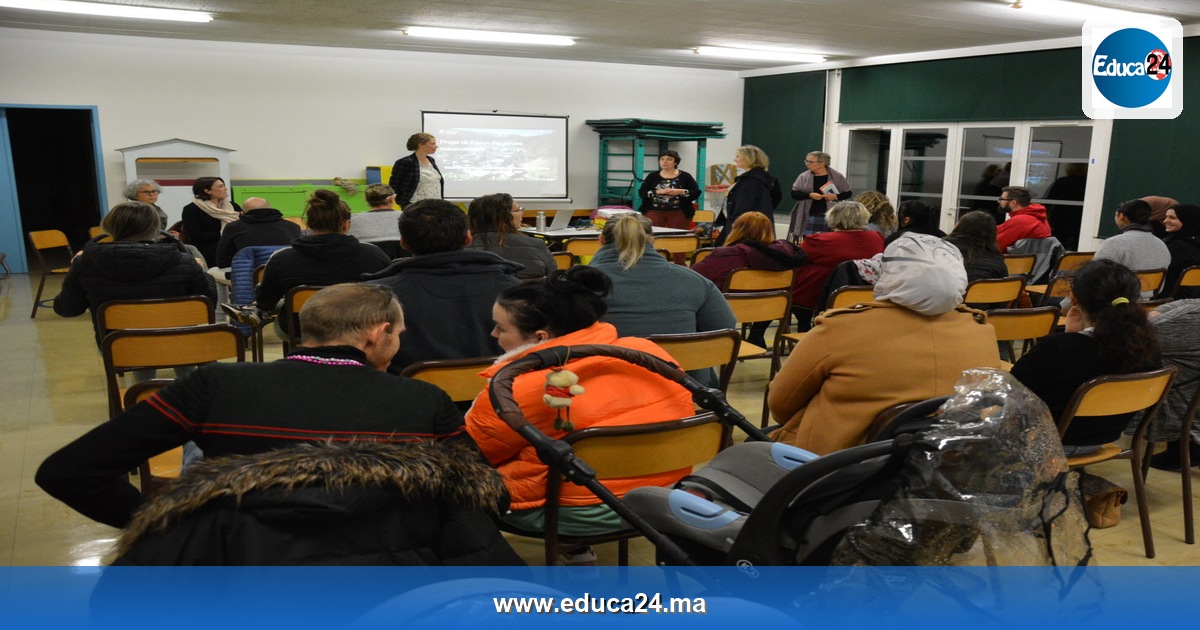
Recognizing that resilience extends beyond school walls, Ms. Patel organized two parent workshops in partnership with the local community centre, St. Mary's Hall. The first workshop introduced the concept of ‘team‑based resilience’ and demonstrated simple breathing exercises used in the classroom, such as the 4‑7‑8 technique championed by Dr. Andrew Weil. Parents practiced these techniques alongside their children, creating a shared language for managing stress at home.
The second workshop focused on how parents can reinforce the Resilience Scorecard at home. Ms. Patel provided printable templates and suggested a weekly “family debrief” where parents ask their child to share one success and one challenge from the past week. This mirrors the family‑school partnership model employed by the International School of London, where similar home‑based reflections led to a 15% increase in student confidence scores.
Feedback collected via post‑workshop surveys indicated that 82% of parents felt more equipped to support their child’s test preparation, and 67% reported noticing calmer attitudes during homework sessions. By aligning school strategies with home practices, the initiative ensured that the resilience skills cultivated in class were reinforced in the broader environment, creating a seamless support network.
💡 See also: Transform Maths Anxiety into Team Projects for 7‑Year‑Olds
Scaling the Model Across Subjects and Schools
After the successful pilot in Year 9 Maths, Ms. Patel presented her findings at the 2024 British Association of Teachers of Mathematics conference, where she received invitations to collaborate with teachers from three other schools: Oakridge Academy, Brighton College, and Riverdale High. Together, they adapted the peer‑support circles and Resilience Scorecard for subjects ranging from English Literature to Science, tailoring the language of the scorecard to reflect discipline‑specific stressors—such as essay planning in English or lab safety anxiety in Chemistry.
The cross‑subject rollout demonstrated that the core principles of team‑based resilience are transferable. For instance, at Oakridge Academy’s Year 10 English class, the introduction of collaborative pre‑exam brainstorming sessions resulted in a 10% improvement in essay scores and a 22% reduction in self‑reported anxiety, mirroring the Maths outcomes. Moreover, a longitudinal study initiated by Riverdale High tracked cohorts over two academic years, showing that students who experienced the resilience program in Year 9 maintained higher wellbeing scores into Year 11, even when faced with GCSE pressures.
These scaling efforts underscore the model’s flexibility and its potential to become a staple of UK educational practice. By providing a clear framework, concrete tools, and evidence‑based results, Ms. Patel’s approach offers a roadmap for schools nationwide to transform test anxiety into a catalyst for collective growth.
💡 See also: Turn Silent Lulls into Classroom Brainstorms
Conclusion
Ms. Patel’s case study proves that test anxiety does not have to be a solitary battle. By weaving peer‑support circles, a data‑driven Resilience Scorecard, reflective debriefs, and parent collaboration into everyday practice, teachers can nurture a team‑based resilience that lifts both performance and wellbeing. The approach is scalable, evidence‑based, and adaptable across subjects and age groups, offering a practical roadmap for schools worldwide to turn anxiety into collective strength.
Frequently Asked Questions
How can teachers start a peer‑support circle without extra class time?
Begin with a brief 10‑minute pre‑test routine, assign simple roles, and rotate responsibilities weekly. This structure fits within existing lesson periods and builds trust without extending the timetable.
What evidence shows that reflective debriefs reduce anxiety?
A 2021 Journal of Educational Psychology study reported a 27% drop in test anxiety when students engaged in structured post‑test reflections, confirming the effectiveness of the “What? So What? Now What?” model.
Can the Resilience Scorecard be used for primary students?
Yes. Adapt the language to age‑appropriate terms and use visual icons for each indicator. Primary schools in Birmingham have successfully implemented a simplified version, seeing a 15% rise in confidence scores.
How do parents reinforce school‑based resilience at home?
Parents can mirror the classroom’s breathing exercises, hold weekly family debriefs using the scorecard template, and celebrate collective progress rather than individual grades, fostering a supportive home environment.
Keywords : test anxiety, team resilience, UK schools, collaborative learning, student wellbeing, teacher strategies, parent involvement, educational case study