
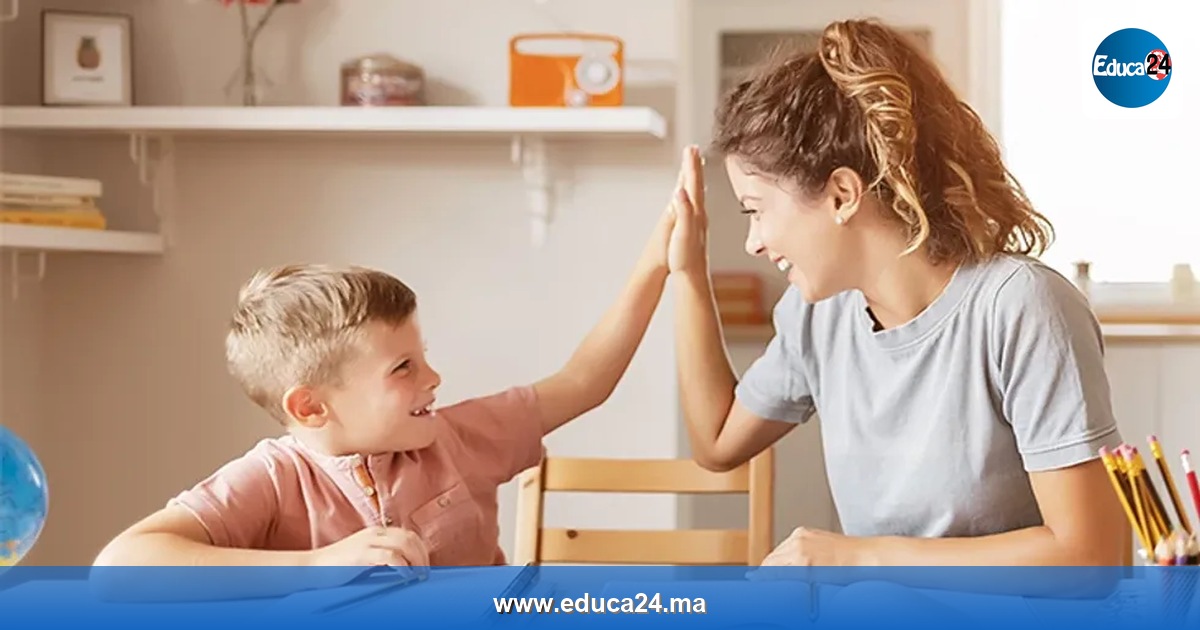
As educators, we strive to create a learning environment that is engaging, inclusive, and effective. However, with the ever-changing needs of students and the demands of modern education, it can be challenging to stay ahead of the curve. Reforming classrooms globally requires a critical examination of our teaching methods, classroom strategies, and approaches to student engagement. In this article, we will explore some of the key issues and offer practical solutions for teachers and educators looking to improve their craft.
Understanding the Needs of Modern Students
Today's students are digital natives, accustomed to a world of instant information and constant connectivity. They are also more diverse and globalized than ever before, with different cultural backgrounds, learning styles, and abilities. To meet these needs, we must adopt a more personalized and flexible approach to teaching, one that takes into account the unique characteristics and learning styles of each student. This may involve using technology to enhance learning, providing extra support for struggling students, and creating a more inclusive and welcoming classroom environment.
Effective Classroom Strategies for Engagement
One of the key challenges facing educators today is how to keep students engaged and motivated. Research has shown that traditional teaching methods, such as lecturing and rote memorization, are often ineffective in promoting deep learning and understanding. In contrast, more interactive and hands-on approaches, such as project-based learning and group work, have been shown to be more effective in promoting student engagement and achievement. To create a more engaging classroom environment, we must be willing to experiment with new approaches and technologies, and to involve students in the learning process.
Teacher Training and Support
Finally, we must recognize the importance of teacher training and support in reforming classrooms globally. Educators are often under-resourced and overworked, with heavy workloads and limited opportunities for professional development. To improve the quality of teaching and learning, we must provide more support for teachers, including training in new technologies and teaching methods, as well as access to resources and mentorship. By investing in our teachers, we can create a more effective and sustainable education system.
Conclusion
Reforming classrooms globally requires a thoughtful and multi-faceted approach, one that takes into account the changing needs of students, the demands of modern education, and the importance of teacher training and support. By adopting more personalized and flexible approaches to teaching, using effective classroom strategies to promote engagement, and investing in our teachers, we can create a better learning environment for all students, and help them achieve their full potential.
Keywords : teaching methods, classroom strategies, effective learning, student engagement, teacher training