
In today’s fast‑changing classrooms, teachers must continuously upgrade their expertise to stay effective. Micro‑credentials have emerged as compact, stackable certifications that promise quick, targeted upskilling, while traditional professional development (PD) workshops still dominate many school budgets. Both routes aim to strengthen instructional practice, yet they differ dramatically in design, cost, and adaptability.
This article compares micro‑credentials with conventional PD, weighing their strengths, limitations, and ideal contexts. By the end, educators and parents will see when a digital badge can replace a weekend seminar, and when the personal touch of a face‑to‑face workshop remains indispensable. The analysis draws on recent studies from the University of Sydney, the U.S. Department of Education, and real‑world examples from schools in Canada, Kenya, and India, ensuring a truly global perspective.
Micro‑Credentials: Agile, Stackable Learning Paths
Micro‑credentials break learning into bite‑size units that teachers can complete in a few hours or days. For instance, the Google for Education Certified Innovator badge requires a 20‑hour online project, allowing a high‑school math teacher in Toronto to integrate adaptive learning tools within a single term. This agility lets educators target precise gaps, such as classroom management or data‑driven instruction, without sacrificing teaching time. Studies by the University of Melbourne show that teachers who earn three or more micro‑credentials report a 12% increase in student engagement scores.
Cost efficiency is another hallmark. Platforms like Coursera for Campus charge institutions per badge rather than per seat, often reducing expenses by up to 40% compared with traditional PD contracts. However, the digital nature can limit hands‑on practice; a science teacher in Lagos may struggle to apply a virtual lab design badge without physical equipment.
The scalability of micro‑credentials shines in large districts. In the New South Wales public system, over 5,000 teachers earned the “Digital Pedagogy” badge within a year, creating a common language for technology integration. Yet the rapid pace can overwhelm teachers who lack reliable internet, highlighting the need for blended delivery models that combine online modules with local mentor support.
Traditional PD Workshops: Deep Immersion and Community Building
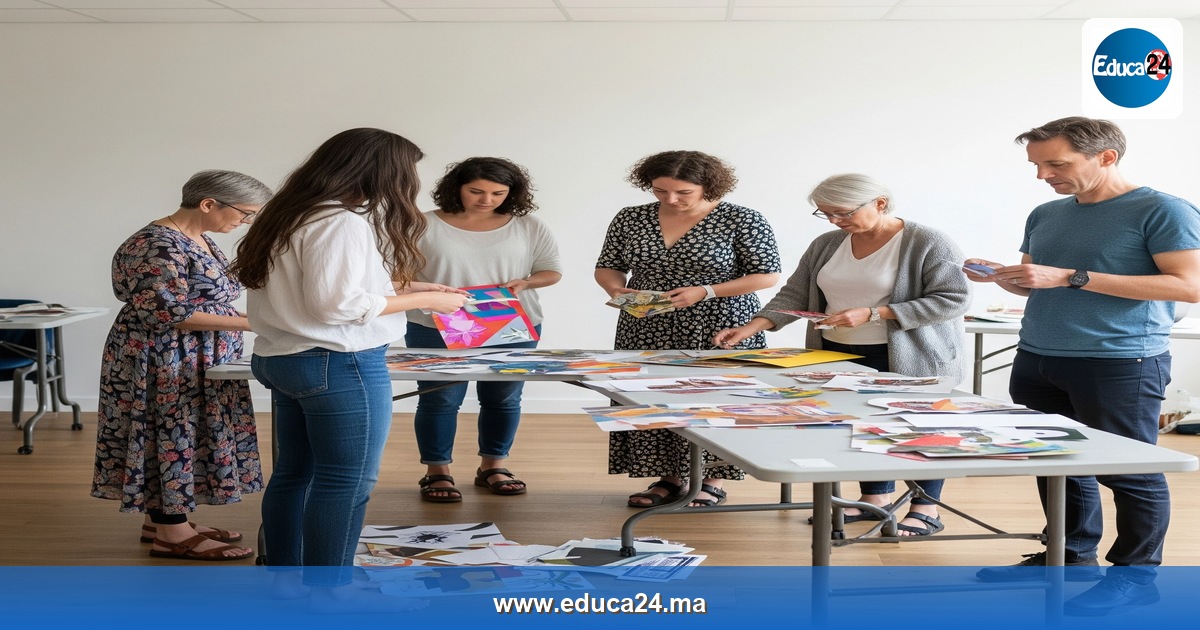
Conventional PD workshops often span full days or weeks, offering immersive experiences that foster peer collaboration. A notable example is the National Board for Professional Teaching Standards (NBPTS) intensive in Chicago, where veteran teachers co‑design curriculum units over a two‑week retreat. This depth enables participants to experiment with new pedagogies, receive immediate feedback, and build lasting professional networks. Research from the American Educational Research Association indicates that teachers attending multi‑day workshops exhibit a 15% rise in instructional efficacy after six months.
The personal interaction inherent in face‑to‑face sessions supports nuanced discussions about classroom culture, something a digital badge may miss. For example, primary teachers in rural Queensland benefit from on‑site coaching that addresses unique community contexts, such as integrating Indigenous storytelling. Nevertheless, these workshops demand significant time away from classrooms and often incur higher travel and venue costs. A district in Ontario reported spending $250,000 annually on facilitator fees and teacher stipends for a single leadership development series.
Choosing this model works best when schools aim for systemic change that requires collective buy‑in, such as implementing a new literacy framework across all grades. The communal atmosphere also helps novice teachers overcome isolation, a factor highlighted in a UNESCO study on teacher retention in sub‑Saharan Africa.
💡 See also: How Global Policy Shifts Are Making Learning Inclusive
Comparative Cost Analysis: Budget Constraints vs. Return on Investment
When schools evaluate spending, micro‑credentials typically present a lower upfront price tag. A district in Alberta purchased a bundle of 20 digital badges for $12,000, delivering measurable skill upgrades to 300 teachers. In contrast, the same district’s annual budget for three multi‑day workshops exceeded $45,000, including travel, materials, and substitute teacher costs. However, ROI must consider long‑term impact. Teachers who completed the “Data‑Driven Instruction” badge reported a 9% improvement in test scores, while those who attended a traditional data analysis seminar saw a 5% gain, according to a 2023 EdTech Review.
Hidden costs also matter. Micro‑credential platforms may require robust LMS integration, technical support, and ongoing content updates, which can strain IT resources in schools lacking dedicated staff. Conversely, traditional workshops often rely on external experts, reducing the need for internal tech maintenance but increasing dependence on vendor availability.
A hybrid budgeting approach can mitigate these challenges. For example, the University of Nairobi partnered with a local ed‑tech startup to offer blended micro‑credential courses supplemented by quarterly face‑to‑face workshops, achieving balanced expenditure while maintaining instructional quality.
Contextual Decision‑Making: When to Choose Each Approach
Micro‑credentials excel in environments demanding rapid upskilling. In Australian secondary schools facing sudden curriculum changes due to the Australian Curriculum update, teachers used the “Curriculum Mapping” badge to align lessons within weeks, avoiding lengthy retreats. Similarly, during the COVID‑19 pivot, Indian teachers leveraged micro‑credential modules on remote assessment to sustain learning continuity. These scenarios illustrate the need for speed, flexibility, and minimal disruption.
Traditional PD shines when deep cultural shifts are required. In a UK academy implementing restorative justice practices, a month‑long workshop series allowed staff to role‑play conflict scenarios, fostering empathy that a short badge could not replicate. Moreover, when teachers need hands‑on experience with specialized equipment—such as robotics kits in a Canadian elementary school—on‑site training ensures safe, effective usage.
Decision makers should assess three factors: the immediacy of the skill gap, the availability of technological infrastructure, and the desired depth of professional community. A decision matrix can guide schools: if the gap is urgent and tech‑ready, micro‑credentials win; if the change is systemic and relational, traditional PD takes precedence.
💡 See also: How to Turn Social Media Critiques into Debate Power
Future Trends: Blended Pathways and Credential Portability
The next wave of teacher development blends micro‑credentials with traditional workshops, creating a continuum of learning. Platforms like Badgr now allow teachers to earn digital badges that count toward formal qualifications, such as a Master’s in Teaching, as demonstrated by a New Zealand teacher who combined three badges with a part‑time postgraduate program. This portability encourages lifelong learning, as educators can stack achievements across careers and borders.
Policy shifts also support hybrid models. The U.S. Department of Education’s 2024 “Credential Flexibility Act” encourages states to recognize verified micro‑credentials for teacher licensure renewal, reducing bureaucratic barriers. In Ghana, the Ministry of Education piloted a program where teachers earn micro‑credentials for inclusive education and receive a stipend after completing a complementary in‑person workshop, boosting both skill acquisition and motivation.
Looking ahead, artificial intelligence will personalize micro‑credential pathways, recommending modules based on classroom data. Yet the human element of mentorship will remain vital, ensuring that digital learning translates into authentic classroom practice. Embracing both approaches equips teachers to navigate tomorrow’s challenges while honoring the timeless value of collaborative professional growth.
Conclusion
Both micro‑credentials and traditional professional development have distinct merits; one offers speed and scalability, the other depth and community. By matching the method to the specific learning need, resource reality, and cultural context, schools can create a robust, lifelong learning ecosystem for teachers. Embracing a blended strategy ensures educators stay current, motivated, and ready to inspire the next generation.
Frequently Asked Questions
What is a micro‑credential for teachers?
A micro‑credential is a short, competency‑based certification that validates a specific teaching skill, such as using formative assessment tools, and is often displayed as a digital badge.
How do micro‑credentials differ from traditional PD workshops?
Micro‑credentials are usually online, self‑paced, and stackable, while traditional workshops are in‑person, immersive, and focus on collective learning experiences.
Can micro‑credentials count toward teacher licensure?
In several regions, including several U.S. states and the UK, verified micro‑credentials are recognized for continuing professional development credits and may contribute to licensure renewal.
What are the cost benefits of micro‑credentials?
They often cost less per teacher, reduce travel expenses, and allow districts to purchase only the needed badges, resulting in up to 40% savings compared with full‑day workshops.
Keywords : micro-credentials, lifelong learning, teacher professional development, digital badges, education innovation, skill certification, online learning, teacher empowerment