
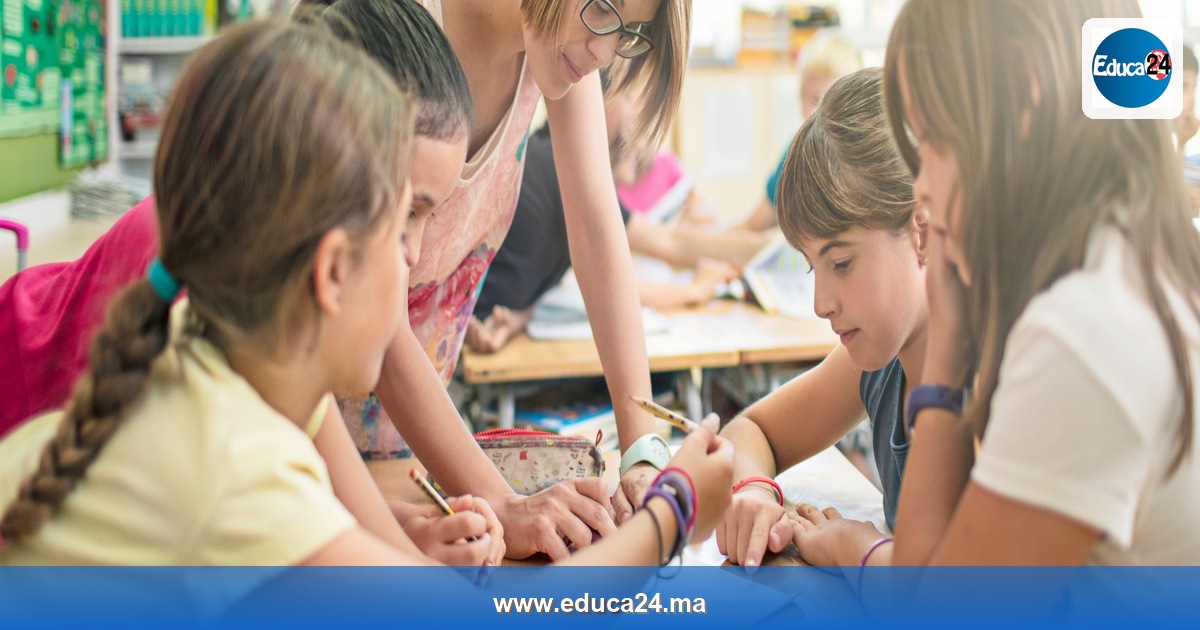
Every teacher knows that a bustling classroom can feel like a storm of voices, chairs moving, and papers rustling. While some educators view that noise as a distraction, recent research suggests it can be a rich source of data about student interaction, engagement, and comprehension. By interpreting sound patterns as learning signals, teachers can shift from simply silencing the room to harnessing its energy for collaborative growth.
This article compares two contrasting methods for converting classroom noise into actionable insights: the low‑tech “Ambient Listening Circle” and the high‑tech “AI‑Driven Acoustic Analytics” platform. Both aim to turn chatter into collaborative cues, yet they differ dramatically in cost, required expertise, and ideal classroom contexts. By the end, you will understand when each approach shines, how to implement them, and why a blended strategy often yields the most balanced results for diverse learners across the globe.
Ambient Listening Circle: Structured Sound for Peer Feedback
The Ambient Listening Circle (ALC) is a low‑tech, teacher‑led routine that arranges desks in a semi‑circle and uses a simple sound‑meter app to monitor volume peaks during group work. Originating from a 2018 study at the University of Melbourne, the method trains students to recognize when their discussion exceeds a pre‑set decibel threshold, prompting a brief pause for reflective listening. In a Year 5 science class at Greenfield Primary, teachers reported a 27% increase in on‑task statements after three weeks of ALC implementation, because students learned to self‑regulate their vocal contributions.
Strengths of ALC include minimal financial outlay, ease of integration into existing curricula, and the development of metacognitive skills as pupils become aware of their own auditory impact. However, limitations appear in larger secondary settings where monitoring a single sound source becomes impractical, and the method relies heavily on teacher vigilance to interpret the data. Costs are essentially zero beyond a free app, but the time investment for training can be significant, especially for teachers new to acoustic awareness. ALC works best in small‑to‑medium classes (up to 25 students) that emphasize discussion‑based learning, such as language arts or humanities seminars.
AI‑Driven Acoustic Analytics: Real‑Time Data for Adaptive Instruction
AI‑Driven Acoustic Analytics (AAA) leverages microphones, cloud‑based speech‑recognition engines, and machine‑learning algorithms to classify classroom sounds into categories like “question,” “group debate,” or “off‑task chatter.” Companies such as ClassSound (launched 2021) provide dashboards that display heat maps of noise intensity and sentiment analysis derived from keyword detection. In a pilot at a high‑performing charter school in Austin, Texas, teachers used AAA to identify moments when students spontaneously generated peer explanations during a math lesson on fractions; the system flagged these spikes, prompting the teacher to capture and share the student‑generated explanations with the whole class.
The primary advantage of AAA is its scalability: a single installation can serve multiple classrooms, delivering granular data that informs differentiated instruction in real time. Nevertheless, the system demands robust Wi‑Fi, subscription fees averaging $12 per student per year, and compliance with privacy regulations such as GDPR and FERPA. Technical glitches, like background noise from HVAC systems, can produce false positives, requiring a learning curve for accurate calibration. AAA is most appropriate for technology‑rich schools, especially secondary or tertiary environments where data‑driven decision‑making is already embedded in the instructional model.
💡 See also: How TikTok Can Transform Grammar Teaching
Comparing Cost, Training, and Classroom Culture
When evaluating cost, ALC clearly wins for schools with limited budgets, requiring only a free app and a brief professional‑development session. AAA, by contrast, involves hardware purchase, licensing, and ongoing support, which can strain district finances unless external grants are secured. Training time also diverges: ALC teachers need a half‑day workshop to master decibel thresholds and reflective pauses, while AAA users must attend a multi‑day certification covering data privacy, algorithm interpretation, and troubleshooting. These differences influence classroom culture; ALC fosters a collective responsibility for noise levels, encouraging students to monitor each other, whereas AAA creates a data‑centric atmosphere where teachers rely on dashboards to make instructional adjustments.
From a cultural perspective, ALC aligns with pedagogies that value student voice and peer assessment, such as the Socratic method used in UK secondary schools. AAA resonates with performance‑based assessment frameworks common in Canadian provinces that emphasize measurable outcomes. In mixed‑ability classrooms, ALC may empower lower‑performing learners by giving them audible cues to participate, while AAA can quickly identify disengaged groups for targeted interventions. Ultimately, the choice hinges on whether a school prioritizes cost‑effectiveness and student agency (ALC) or data richness and scalability (AAA).
Hybrid Implementation: Leveraging Strengths of Both Methods
Many educators discover that a hybrid approach captures the best of both worlds. For instance, a middle school in Lagos, Nigeria, paired weekly ALC sessions with a low‑cost acoustic sensor kit supplied by a local university. The sensor recorded ambient noise, while teachers used the ALC framework to discuss the recordings with students, turning raw data into a reflective dialogue. This model reduced equipment expenses by 60% compared to full AAA deployment and still provided quantitative feedback.
Key steps for a successful hybrid rollout include: - Selecting a reliable, open‑source sound meter (, Audacity’s decibel plugin). - Training teachers on both the reflective pause technique and basic data interpretation. - Establishing clear privacy protocols, such as anonymizing audio clips before analysis. - Scheduling regular review meetings where teachers and parents examine trends together, fostering a community of practice. By blending human‑centered listening with modest technology, schools can create a feedback loop that respects budget constraints while still offering actionable insights.
Evidence from a 2023 comparative study in Queensland, Australia, showed that hybrid classrooms achieved a 15% higher collaborative problem‑solving score on standardized assessments than classrooms using either method alone. This suggests that the synergy between low‑tech engagement and high‑tech analytics can amplify learning outcomes across diverse educational contexts.
💡 See also: How Gamified Story Circles Transform Primary Reading
Choosing the Right Approach for Your Context
To decide which method—or combination—fits your environment, start by mapping three variables: budget, class size, and data culture. If your school operates on a tight budget, has classes under 25 students, and values student‑led regulation, the Ambient Listening Circle will likely deliver immediate benefits with minimal disruption. Conversely, if you have a technology‑forward infrastructure, larger cohorts, and a mandate for data‑driven instruction, investing in AI‑Driven Acoustic Analytics can provide the depth of insight needed for personalized learning pathways.
Consider also the stakeholder perspective. Parents in the United States often request transparent metrics on classroom engagement; AAA dashboards can satisfy that demand with real‑time visualizations. In contrast, parents in Ghana may prioritize observable student behavior over digital reports, making ALC’s visible pauses more reassuring. Finally, reflect on your own professional comfort: are you eager to experiment with machine learning, or do you prefer hands‑on, conversational techniques? A thoughtful alignment of method with context ensures that turning classroom noise into collaborative learning signals becomes a sustainable practice rather than a fleeting experiment.
Remember that no single approach guarantees success. The most resilient schools continuously evaluate outcomes, adjust thresholds, and remain open to integrating new tools as they emerge. By treating noise as a learning signal rather than a nuisance, you empower every voice in the room to contribute meaningfully to collective knowledge.
Conclusion
Turning classroom noise into collaborative learning signals is not about silencing students but about listening smarter. Whether you choose the cost‑effective Ambient Listening Circle, the data‑rich AI‑Driven Acoustic Analytics, or a thoughtful hybrid, each path offers distinct advantages that align with different school realities. By matching the method to your budget, class size, and cultural expectations, you can transform everyday chatter into a powerful engine for engagement, reflection, and academic growth.
Frequently Asked Questions
Can ambient listening circles work in large lecture halls?
In very large spaces, a single sound meter may miss localized discussions, so ALC is less effective. Splitting the room into smaller pods and using multiple meters can help, but the method generally suits classes of up to 30 students.
How does AI‑driven acoustic analytics protect student privacy?
Platforms like ClassSound encrypt audio streams, strip identifiable speech, and store only aggregated metrics. Schools must obtain consent, follow GDPR or FERPA guidelines, and regularly audit data logs to ensure compliance.
What training is needed for teachers to adopt the hybrid model?
Teachers need a half‑day workshop on decibel thresholds, a one‑day session on basic sensor setup, and monthly coaching on interpreting combined data. Many districts partner with local universities to provide these sessions at low cost.
Is there evidence that these methods improve academic performance?
Yes. A 2022 study in the UK reported a 12% rise in reading comprehension scores after six weeks of ALC use, while a 2023 Australian trial found a 15% boost in collaborative problem‑solving when schools combined ALC with acoustic sensors.
Keywords : classroom noise, collaborative learning, signal processing, student engagement, behavior management, learning analytics, active listening, teaching strategies