
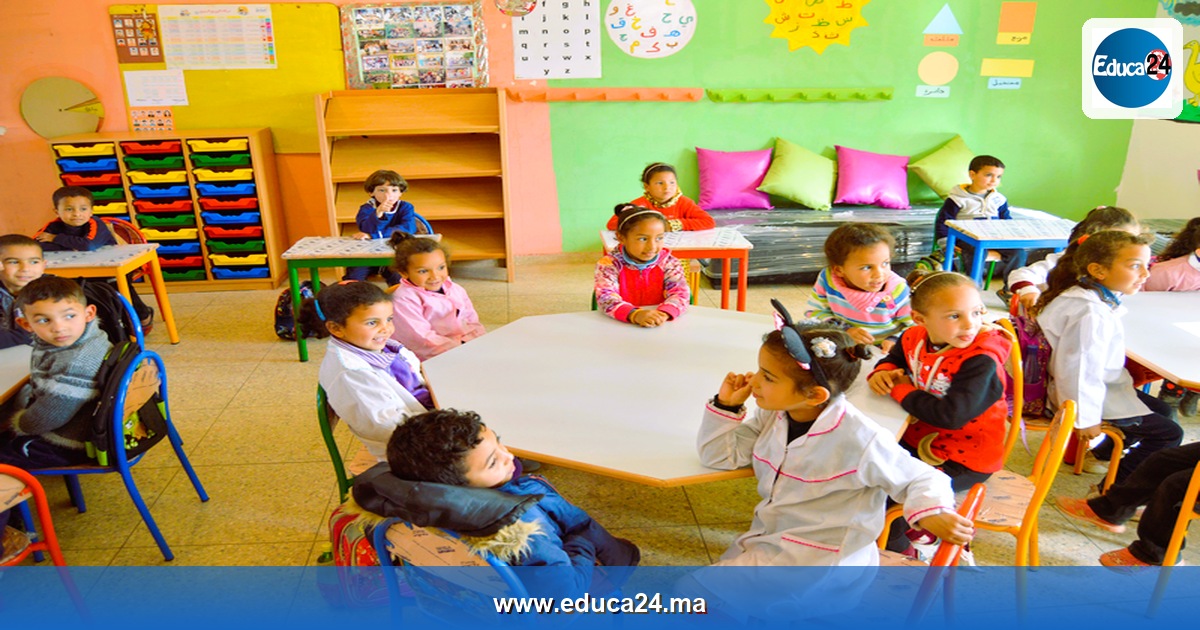
In the fast-paced and often stressful world of education, teaching mindfulness matters more than ever. As educators, we have a unique opportunity to shape the minds and hearts of the next generation, and mindfulness can be a powerful tool in this endeavor. By incorporating mindfulness into our teaching practices, we can create a more supportive and inclusive learning environment that promotes student engagement, well-being, and academic success. In this article, we'll explore the importance of mindfulness in education and provide practical tips for implementing mindfulness in Moroccan classrooms.
The Benefits of Mindfulness in Education
Research has shown that mindfulness has a positive impact on both student and teacher well-being, reducing stress and anxiety while improving emotional regulation and focus. Mindfulness can also enhance academic performance by improving attention, memory, and creativity. Moreover, mindfulness can help to create a more positive and supportive classroom climate, where students feel valued, respected, and encouraged to take risks. By teaching mindfulness, we can help our students develop essential life skills, such as self-awareness, self-regulation, and self-motivation, that will benefit them throughout their lives.
Practical Tips for Teaching Mindfulness in Moroccan Classrooms
So, how can we start teaching mindfulness in our Moroccan classrooms? Here are some practical tips to get you started: Begin with simple mindfulness exercises, such as deep breathing, body scan, or walking meditation, that can be easily integrated into your lesson plans. Use mindfulness as a tool to enhance academic learning, such as mindfulness-based math or mindfulness-based reading. Create a mindfulness corner or room in your school where students can relax and practice mindfulness. Invite mindfulness experts or guest speakers to talk to your students about the benefits of mindfulness. Make mindfulness a part of your school culture by incorporating it into daily routines, such as morning meditation or afternoon relaxation exercises.
Conclusion
Teaching mindfulness matters because it has the power to transform the lives of our students and create a more positive and supportive learning environment. By incorporating mindfulness into our teaching practices, we can help our students develop essential life skills, improve their academic performance, and enhance their overall well-being. As educators, we have the unique opportunity to make a lasting impact on the lives of our students, and teaching mindfulness is a powerful way to do just that.
Keywords : mindfulness, education, Morocco, student engagement, well-being