
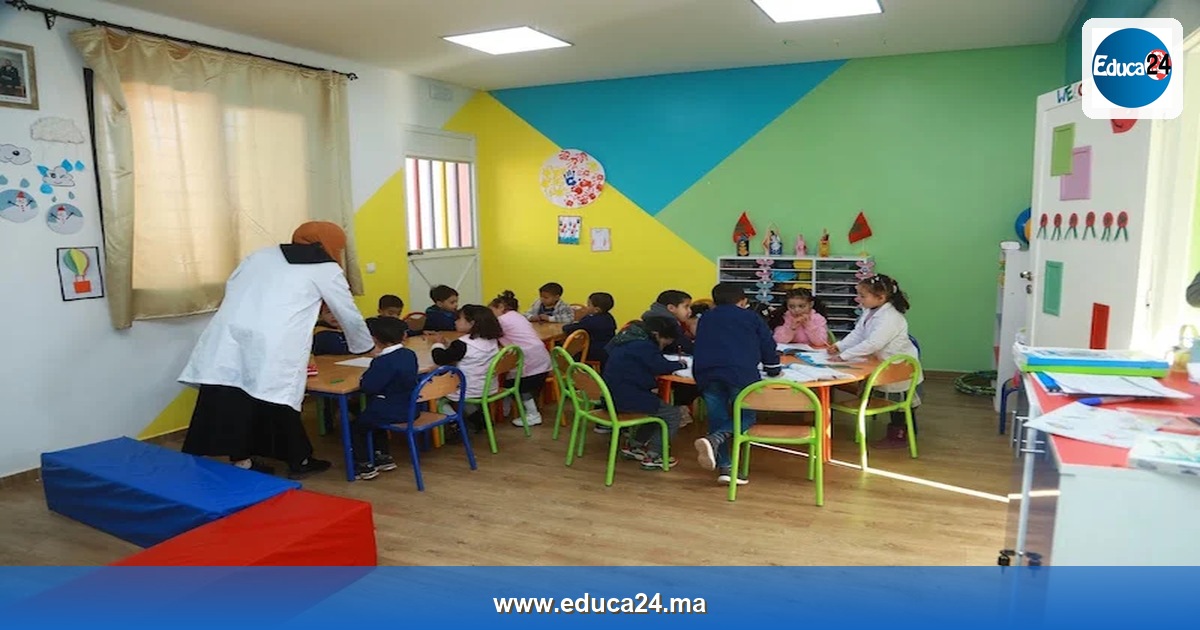
As educators, we have the power to shape the future of our students. But with the ever-changing world we live in, it can be challenging to know how to prepare them for what's to come. In this article, we'll explore the importance of guiding futures and provide practical tips and strategies for teachers to help their students succeed in an uncertain world. Whether you're a seasoned educator or just starting out, this guide will equip you with the tools you need to inspire and support your students as they navigate their futures.
Understanding the Importance of Guiding Futures
The world is changing at an incredible pace, and our students will inherit a future that is vastly different from the one we knew. With the rise of technology, globalisation, and environmental concerns, it's more important than ever to prepare our students for the challenges and opportunities that lie ahead. By guiding futures, we can help our students develop the skills, knowledge, and confidence they need to succeed in an uncertain world. This includes teaching them to be adaptable, resilient, and open-minded, as well as providing them with the skills they need to navigate complex systems and make informed decisions. By doing so, we can empower our students to take control of their own futures and create the life they want to lead.
Practical Strategies for Guiding Futures
So, how can we put guiding futures into practice in our classrooms? One approach is to use futures thinking, which involves imagining and exploring possible futures and their implications for our students. This can be done through scenario planning, forecasting, and other techniques that help us anticipate and prepare for different outcomes. Another approach is to focus on developing skills such as critical thinking, problem-solving, and creativity, which are essential for navigating an uncertain world. We can also use technology to enhance teaching and learning, such as through online resources, virtual reality, and artificial intelligence. By incorporating these strategies into our teaching practices, we can help our students develop the skills and knowledge they need to succeed in an ever-changing world.
Overcoming Challenges and Building Confidence
Guiding futures is not without its challenges, however. One of the biggest obstacles is the pressure to cover a vast curriculum and meet the demands of accountability measures. However, by prioritising the development of skills and knowledge that are essential for success in an uncertain world, we can help our students build confidence and develop a sense of purpose. We can also use technology to support teaching and learning, such as through data analysis and feedback tools. By working together with our students, parents, and colleagues, we can create a collaborative learning environment that supports the development of our students' futures. This includes providing opportunities for student voice, choice, and agency, as well as fostering a growth mindset and promoting a love of learning.
Conclusion
Guiding futures is a critical aspect of teaching and learning in today's world. By understanding the importance of guiding futures and incorporating practical strategies into our teaching practices, we can help our students develop the skills, knowledge, and confidence they need to succeed in an uncertain world. Whether you're a seasoned educator or just starting out, this guide has provided you with the tools you need to inspire and support your students as they navigate their futures. So, what will you do to guide the futures of your students today?
Keywords : teaching strategies, effective teaching, future-proof education, student success, educator guidance, futures thinking