
In the bustling corridors of UK primary schools, educators are increasingly turning to technology to understand the emotional landscape of their students. The pressure on young minds has never been higher, and traditional methods of identifying distress often rely on noticeable behavioral changes that may occur too late. Artificial intelligence offers a promising alternative by analyzing subtle patterns in data, from attendance to digital interactions, to predict stress before it escalates. This shift from reactive to proactive support is transforming how schools approach mental health. However, the integration of such tools raises legitimate questions about accuracy, privacy, and the irreplaceable value of human empathy in the classroom.
This article will not simply champion one method over the other. Instead, it contrasts the algorithmic precision of AI with the nuanced intuition of experienced teachers. We will examine the strengths and limitations of both approaches, focusing on their practical application in diverse educational settings. Whether you are a headteacher in London or a parent in Lagos, understanding these dynamics is crucial for advocating for holistic student support. By exploring specific case studies and implementation strategies, we aim to provide a balanced perspective on how to effectively map and mitigate student stress in the digital age.
Algorithmic Prediction vs Human Intuition in Early Detection
AI systems excel at processing vast amounts of data to identify trends invisible to the naked eye. For instance, platforms like Seesaw or ClassDojo integrate data points such as participation rates, assignment submission times, and peer interactions to flag potential stress indicators. A study by the UK Department for Education highlighted that schools using such analytics detected a 15% increase in early interventions for anxious students. These tools do not judge; they alert. They can spot a quiet Year 4 pupil whose engagement metrics have dropped by 30% over two weeks, signaling a need for a gentle check-in that a teacher might otherwise miss amidst a busy timetable.
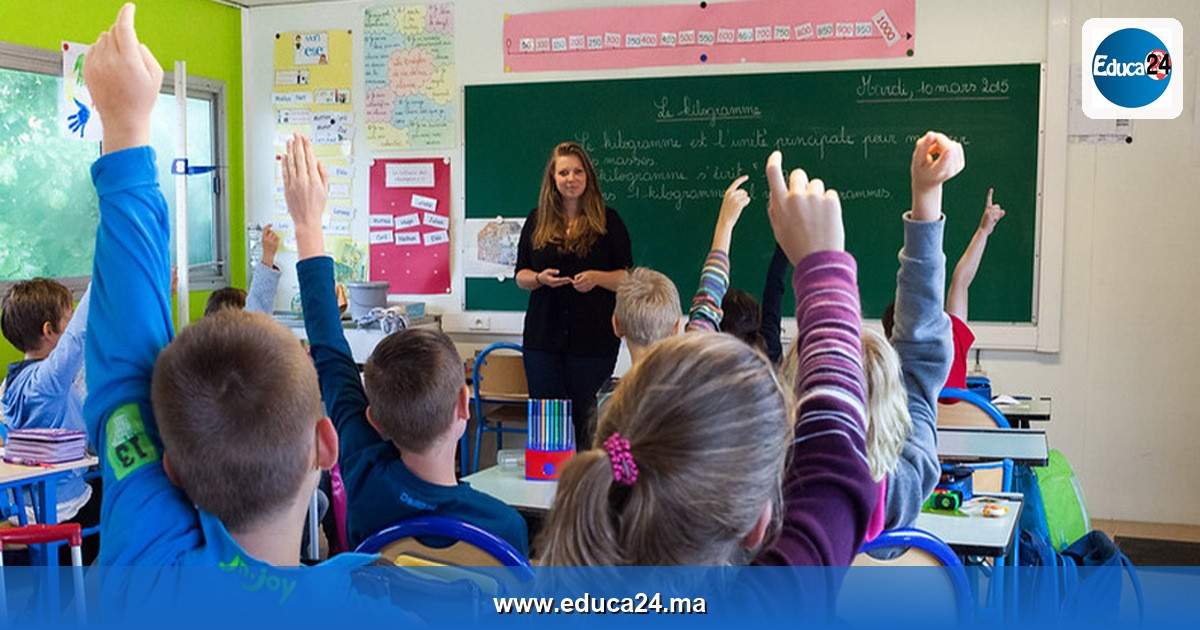
Conversely, human intuition relies on contextual understanding that algorithms struggle to replicate. A teacher knows that a student's silence might stem from a family issue, a recent move, or simply a bad night's sleep, rather than a systemic stress pattern. In a Year 6 class preparing for SATs, a teacher might notice a student who usually jokes around becoming withdrawn during group work. This subtle shift, combined with the teacher's knowledge of the child's history, allows for a personalized, empathetic response. While AI provides the 'what' and 'when', the teacher provides the 'why' and 'how'. The synergy between these two approaches is where the most effective stress mapping occurs.
The key difference lies in the granularity of insight. AI operates on statistical probability, treating stress as a measurable variable. Teachers operate on relational dynamics, treating stress as a human experience. For schools with limited resources, AI offers a scalable solution to monitor hundreds of students simultaneously. However, it lacks the emotional depth required to address the root causes of distress. Therefore, AI should be viewed as a diagnostic tool, not a therapeutic one. It highlights the area of concern, but the treatment remains firmly in human hands.
Cost Implications and Accessibility for Diverse School Contexts
Implementing AI-driven stress mapping tools requires a significant initial investment. Licensing fees for sophisticated analytics platforms can range from $2,000 to $10,000 annually per school, depending on the number of students and features included. For underfunded schools in rural UK areas or developing nations, this cost can be prohibitive. Additionally, these systems often require robust digital infrastructure, including reliable internet access and modern devices, which are not universally available. In contrast, teacher-led observation is a zero-cost method that relies on existing skills and time. It requires no hardware, no software licenses, or technical training beyond basic pedagogical awareness. This makes it highly accessible to schools in Nigeria, Ghana, or remote Australian communities where digital divide issues persist.
However, the hidden costs of relying solely on human observation are substantial. Teachers often work with class sizes of 30 or more, making it difficult to provide consistent, individualized monitoring. The mental load of tracking the emotional state of every student can lead to teacher burnout, which ironically exacerbates the very stress it aims to manage. AI tools, despite their upfront cost, can reduce this burden by automating routine data collection and flagging only the most critical cases. This allows teachers to focus their energy on high-impact interventions. For a well-funded urban school in Canada, the ROI on AI tools is clear: they free up teacher time for meaningful interactions.
- Initial setup costs for AI platforms can be high but decrease per student in large schools.
- Teacher observation requires no financial investment but demands significant time and emotional energy.
- Hybrid models offer a cost-effective middle ground, using free or low-cost apps for basic data tracking.
- Long-term savings from AI include reduced disciplinary incidents and improved retention rates, which have measurable financial benefits for the school.
💡 See also: Transform Classroom Noise into Learning Signals
Data Privacy Risks and the Ethical Boundary of Monitoring
The collection of behavioral data for AI analysis raises profound ethical concerns. In the UK, the General Data Protection Regulation (GDPR) imposes strict rules on how student data is stored and used. AI systems that track keystrokes, facial expressions, or voice tones must ensure that this data is anonymized and secure. A breach in such a system could have devastating consequences for a child's privacy and trust. Parents are increasingly vocal about these issues, demanding transparency about what data is collected and how it is used. Schools must navigate this delicate balance, ensuring that the pursuit of well-being does not come at the cost of surveillance. Consent must be informed, and opt-out options must be clearly defined.
Teacher observation, while less technologically invasive, still involves a form of monitoring. However, it is generally perceived as more natural and less threatening by students and parents alike. When a teacher notes a child's mood in a daily log, it is seen as part of the caregiving role. When an algorithm analyzes the same data, it can feel like being watched by a machine. This perception gap is significant. To mitigate this, schools using AI must communicate openly with families, explaining that the goal is support, not control. Regular workshops for parents can help demystify the technology and build trust. Without this trust, even the most accurate AI tool will fail because it will not be adopted or accepted by the school community.
The ethical boundary is further complicated by the potential for bias in AI algorithms. If a model is trained on data from a specific demographic, it may misinterpret behaviors from other groups. For example, cultural differences in emotional expression can lead to false positives or negatives. A student from a background where stoicism is valued might be flagged as stressed when they are merely calm. Teachers, with their cultural competence, can correct these misinterpretations. Therefore, AI must be treated as a suggestion, not a verdict. Human oversight is essential to ensure that the data is interpreted fairly and compassionately, respecting the diversity of the student body.
Scalability Challenges in Large vs Small Classrooms
In large primary schools with over 600 students, the scale of the challenge makes human observation alone insufficient. A headteacher cannot personally know the emotional state of every child. AI provides the scalability needed to ensure no student falls through the cracks. For example, a school in Manchester using AI-based attendance and engagement tracking identified a cluster of Year 5 students showing signs of anxiety during a specific assessment period. This pattern was detected within days, allowing for targeted support sessions. In such large settings, AI acts as a safety net, ensuring that systemic issues are identified quickly. Without it, the response time could be weeks, by which point the stress has already caused significant harm.
In smaller schools or classrooms, the dynamic is different. A teacher in a rural school in Australia with a class of 15 students can build deep, personal relationships with each child. They know the families, the local context, and the individual histories. In this setting, AI might feel unnecessary or even intrusive. The teacher's intimate knowledge of the students provides a level of insight that no algorithm can match. For these schools, the focus should be on enhancing human connection rather than adding technological layers. Simple tools for journaling or peer support might be more effective than complex AI systems. The goal is to meet the students where they are, not to force them into a digital framework.
The ideal approach is context-dependent. For large, urban schools, AI is a necessary tool for managing complexity. For small, rural schools, human insight is the primary asset. However, even in small schools, AI can be useful for identifying broader trends, such as the impact of new curriculum changes on student well-being. The key is to choose tools that complement the existing school culture rather than disrupting it. A hybrid model, where AI handles the data-heavy aspects and teachers handle the relational aspects, offers the best of both worlds. It ensures that no student is overlooked while preserving the human touch that is essential for emotional well-being.
💡 See also: How Gamified Story Circles Transform Primary Reading
Implementing a Hybrid Model for Sustainable Wellbeing
The most effective strategy for mapping student stress is not to choose between AI and observation, but to integrate them. A hybrid model leverages the strengths of both approaches. AI can handle the quantitative data, such as attendance, grades, and digital engagement, to provide a baseline of student well-being. Teachers can then use this baseline to inform their qualitative observations. For instance, if AI flags a drop in a student's engagement, the teacher can use this as a prompt for a deeper conversation. This targeted approach saves time and ensures that interventions are timely and relevant. It transforms the teacher's role from a detector of distress to a facilitator of support.
Training is crucial for the success of a hybrid model. Teachers must be trained to interpret AI data critically, understanding its limitations and potential biases. They must also be trained in emotional intelligence and trauma-informed care to respond appropriately to the alerts. Schools should establish clear protocols for data use and intervention, ensuring that every alert leads to a structured, compassionate response. Regular feedback loops between teachers and IT staff can help refine the algorithms and improve their accuracy over time. This collaborative approach ensures that the technology serves the educational goals, not the other way around.
- Start with a pilot program in one year group to test the effectiveness of the hybrid model.
- Gather feedback from teachers, students, and parents to identify areas for improvement.
- Adjust the AI parameters based on real-world outcomes to reduce false positives.
- Celebrate successes and share best practices across the school community to build momentum.
This iterative process ensures that the system evolves with the needs of the students. It acknowledges that stress is dynamic and that the tools used to manage it must be adaptable. By combining the precision of AI with the empathy of teachers, schools can create a supportive environment where students feel seen, heard, and valued. This is the ultimate goal of stress mapping: not just to identify problems, but to foster resilience and well-being.
Conclusion
The debate between AI and human observation in mapping student stress is not a zero-sum game. Both approaches have distinct strengths and limitations. AI offers scalability and early detection, while teachers provide context and empathy. The most effective strategy is a hybrid model that leverages AI for data analysis and human insight for interpretation and intervention. By integrating these methods, schools can create a more responsive and supportive environment. Ultimately, the goal is not to replace teachers with machines, but to empower them with tools that enhance their ability to care for students.
Frequently Asked Questions
Is AI monitoring legal in UK primary schools?
Yes, provided it complies with GDPR. Schools must ensure data is anonymized, stored securely, and used solely for educational support. Parental consent and clear communication are essential to maintain trust and legal compliance.
Can AI replace the teacher's role in emotional support?
No, AI cannot replace human empathy. It serves as a diagnostic tool to flag potential issues, but the actual support, counseling, and relationship-building must be conducted by trained human educators and professionals.
What are the most common signs of student stress detected by AI?
AI typically identifies patterns such as sudden drops in attendance, decreased participation in digital tasks, changes in submission times, and shifts in peer interaction frequency. These metrics help predict stress before it becomes visible behavior.
How can parents opt out of AI stress mapping?
Parents should have the right to opt out through informed consent processes. Schools must provide clear options for alternative support methods if a family chooses not to participate in data-driven monitoring programs.
Keywords : AI student stress, UK primary schools, emotional wellbeing, predictive analytics, teacher observation, classroom management, data privacy, educational technology