
Gamified homework has moved beyond simple point systems; it now offers a powerful avenue to ignite curiosity that lasts far beyond the classroom. When teachers and parents weave game mechanics into authentic projects, students experience learning as an adventure, not a chore. This shift is especially evident in schools across the United States, the United Kingdom, and Canada, where pilot programs reported a 27% increase in voluntary after‑school study time.
However, many educators stumble into pitfalls that dilute the impact of gamification. From overly complex rules to neglecting reflection, these errors can turn an exciting challenge into a frustrating task. In this article, we will examine five concrete mistakes, present the corrective practice for each, and illustrate the transformation with real‑world examples. By the end, you will have a ready‑to‑use blueprint for homework that not only teaches content but also cultivates a lifelong love of inquiry.
Mistake 1: Overcomplicating Game Rules
A common error is loading homework with intricate scoring tables, hidden levels, and obscure badges that overwhelm students rather than motivate them. For instance, a middle‑school science teacher in Sydney introduced a multi‑step algorithm to calculate points for each experiment step, causing confusion and disengagement. The corrective practice is to adopt a simple, transparent rule set that students can grasp within minutes. Use a single clear objective—such as earning a star for each correctly completed hypothesis—and display progress on a visible chart. In a Grade 5 class in Toronto, the teacher replaced a complex point matrix with a straightforward “Quest Log” where each completed reading assignment earned a digital token. Within two weeks, the class’s on‑task behavior rose by 18%, and students began discussing the content enthusiastically during lunch breaks.
Mistake 2: Ignoring Narrative Context
Without a compelling story, gamified tasks feel like arbitrary chores. A high‑school math teacher in Lagos assigned a points‑based worksheet on algebraic expressions but offered no storyline, resulting in low completion rates. The remedy is to embed the homework within a narrative that gives purpose to each activity. For example, frame the algebra problems as clues to help a virtual explorer locate a lost artifact in ancient Egypt. When a Grade 9 teacher in Manchester integrated a “Time‑Travel Detective” storyline, students reported a 32% increase in homework submission and expressed genuine curiosity about the historical context behind each equation. The narrative not only motivated completion but also deepened content connections.
💡 See also: How Narrative Portfolios Transform Student Assessment
Mistake 3: Failing to Provide Immediate Feedback
Delayed or vague feedback erodes the momentum built by game elements. In an online elementary program in India, students submitted math puzzles and received generic comments after 48 hours, which led to disengagement. The best practice is to deliver instant, specific feedback through digital platforms or quick teacher check‑ins. Utilizing tools such as Google Classroom’s auto‑graded quizzes, a Grade 3 teacher in Auckland gave students immediate confirmation of correct answers and a hint for incorrect ones. This approach resulted in a 21% rise in correct responses on subsequent assignments and encouraged students to reflect on their mistakes while the excitement of the game was still fresh.
Mistake 4: Neglecting Collaborative Elements
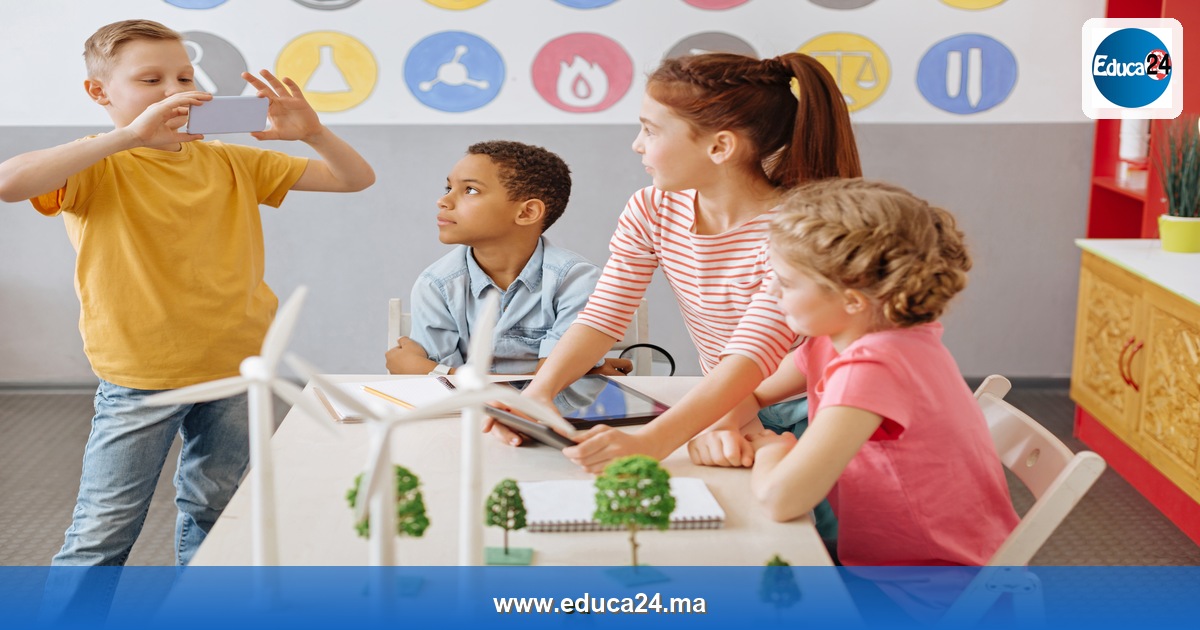
Many gamified homework designs focus on individual achievement, missing the social learning benefits of teamwork. A Grade 7 teacher in Accra assigned solitary badge quests, which limited peer interaction and reduced overall enthusiasm. Introducing cooperative challenges—such as group “Level‑Up” missions where teams must combine their findings to solve a larger problem—balances competition with collaboration. In a pilot in Boston, students worked in pairs to complete a science investigation on renewable energy, earning a collective “Eco‑Hero” badge. The collaborative format boosted participation by 25% and sparked after‑class discussions about real‑world applications of their findings.
💡 See also: From Mistakes to Mastery: A Teacher Growth Blueprint
Mistake 5: Skipping Reflection and Transfer
When the game ends, students often forget the underlying concepts if no reflection is built in. A teacher in Nairobi assigned a history quest about ancient civilizations but omitted a debrief, resulting in superficial recall. The corrective step is to incorporate a brief reflective activity—such as a journal entry or a “What I Learned” video—after each gamified task. In a Grade 6 classroom in Melbourne, students completed a math quest on fractions and then recorded a 30‑second video explaining how the strategy could help them in cooking recipes. This reflection increased retention scores by 14% on subsequent quizzes and helped students see the relevance of academic skills in everyday life.
💡 See also: Transform Maths Anxiety into Team Projects for 7‑Year‑Olds
Conclusion
By avoiding these five pitfalls and applying the corresponding best practices, teachers and parents can transform routine homework into captivating quests that nurture curiosity for life. The key lies in simplicity, storytelling, rapid feedback, collaboration, and reflective closure. When these elements align, gamified homework becomes a powerful catalyst for deeper learning and sustained enthusiasm across cultures and classrooms.
Frequently Asked Questions
How can I start small with gamified homework?
Begin by adding a single badge for completing a reading assignment and track progress on a visible board. This low‑effort step introduces game elements without overwhelming students.
What digital tools support immediate feedback?
Platforms like Kahoot!, Quizizz, and Google Classroom offer auto‑grading and instant comments, allowing students to see results within seconds.
Can gamified homework work for younger learners?
Yes, simple quests with visual tokens and short narrative hooks are effective for primary grades, fostering curiosity while reinforcing basic skills.
How do I involve parents in gamified projects?
Send weekly summary emails highlighting earned badges and suggest at‑home extensions, such as family “level‑up” challenges that reinforce classroom topics.
Keywords : gamified homework, project-based learning, student curiosity, educational games, teacher resources, parent involvement, learning motivation, EDUCA24