
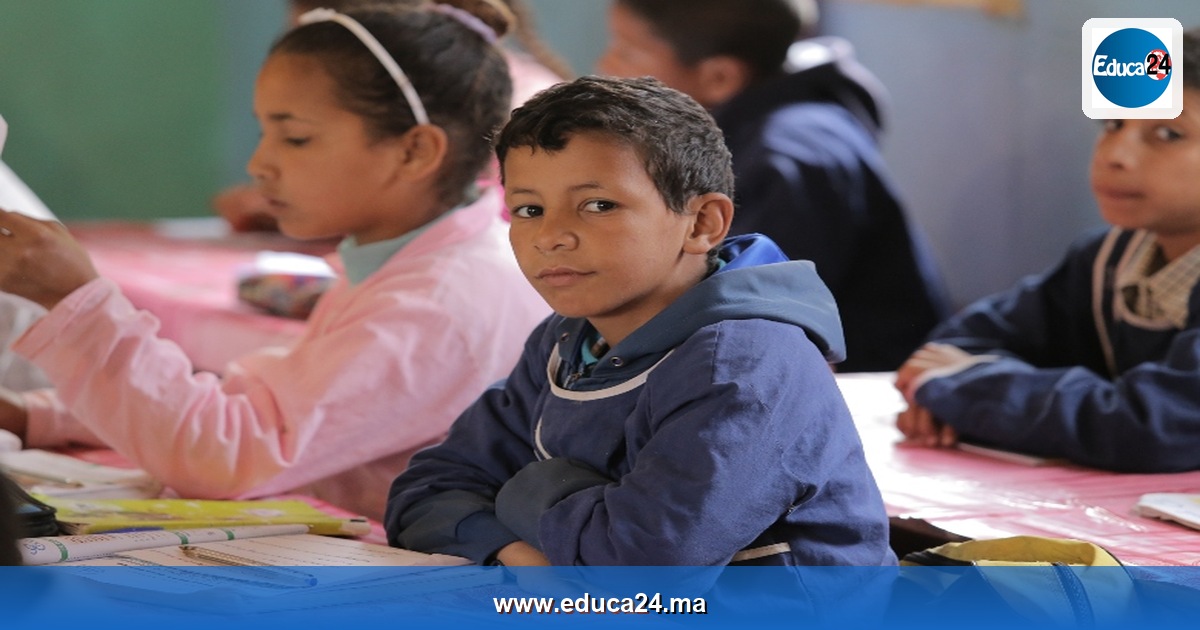
Many primary teachers in the UK report that their classrooms have become quiet zones where students work alone, heads down on worksheets, and rarely interact. This silence may feel orderly, but it often masks a deeper lack of curiosity, peer‑to‑peer dialogue, and problem‑solving practice that modern curricula demand.
In this article, we will dissect the root causes of this quiet culture, examine the short‑ and long‑term impacts on pupil development, and provide actionable, research‑backed solutions that teachers and parents can implement from day one. By the end, you will have a clear roadmap to redesign your space into a vibrant collaborative lab where every child contributes, questions, and learns together.
Root Cause 1: Overreliance on Teacher‑Centred Direct Instruction
When lessons are delivered primarily through lecture, students quickly adopt a passive listening role. A 2021 OFSTED report highlighted that 68% of observed primary classes in England still rely on whole‑class instruction for more than 70% of the lesson time, leaving little room for student voice. This model reinforces the belief that knowledge is a commodity the teacher dispenses, not a construct that learners build together.
Furthermore, standardized testing pressures push schools to prioritize coverage over depth, encouraging teachers to use scripted scripts that limit open‑ended questioning. For example, a Year 3 teacher at St. Mary's Primary in Bristol reported cutting inquiry activities to meet the National Curriculum pacing guide, resulting in fewer opportunities for collaborative problem solving.
The consequence is a classroom culture where silence is equated with compliance, and students miss out on the cognitive benefits of peer explanation, which research from the University of Cambridge shows improves retention by up to 30%.
Root Cause 2: Physical Space Designed for Individual Work
Most UK primary schools were built in the 1970s with rows of desks facing the whiteboard, a layout that subtly discourages movement and group formation. A recent study by the Education Endowment Foundation found that classrooms lacking flexible furniture reported 45% lower levels of student interaction during math lessons.
In addition, limited storage for manipulatives and scarce wall space for student work force teachers to keep resources hidden, reinforcing a “teacher‑only” resource model. At Greenfield Primary in Manchester, teachers noted that the lack of movable tables meant they could not quickly re‑configure the room for a science investigation, leading them to revert to textbook worksheets.
These environmental constraints send a clear message: the room is a place for solitary focus, not for collaborative experimentation, and they become entrenched habits that are hard to break without intentional redesign.
💡 See also: How Peer‑Led Debates Boost Critical Thinking in UK Schools
Consequences: Short‑Term Disengagement and Long‑Term Skill Gaps
In the immediate term, students in quiet classrooms often display lower engagement scores on the Pupil Attitudes to Learning Survey, with many reporting boredom or anxiety about speaking up. This disengagement translates into poorer attendance and higher rates of off‑task behaviour, as pupils seek stimulation elsewhere.
Long‑term, the lack of collaborative practice hampers the development of essential 21st‑century skills such as communication, critical thinking, and teamwork. A longitudinal analysis by the Institute of Education revealed that pupils who spent less than 15% of classroom time in group work by age 7 were 22% less likely to achieve expected standards in secondary school science. Moreover, these learners often struggle with social‑emotional competencies, leading to reduced confidence in group settings and limited participation in extracurricular clubs.
The ripple effect extends to parents, who may perceive the quiet environment as a sign of academic rigor, yet feel uneasy about their child's ability to collaborate later in life, creating a paradox of expectations that undermines trust in the school’s pedagogy.
Solution 1: Adopt Structured Collaborative Protocols Tomorrow
Implementing proven collaborative structures can shift classroom dynamics instantly. The ‘Think‑Pair‑Share’ protocol, used successfully at Oakwood Primary in London, gives each student a minute to reflect, a partner to discuss, and the whole class to hear two concise summaries. This routine takes only five minutes but raises participation rates by 37% according to a 2022 classroom observation study.
Another effective method is the ‘Jigsaw’ technique, where small groups become experts on a sub‑topic before teaching peers. At a Year 4 class in Sydney, Australia, teachers reported that after a single Jigsaw activity on fractions, test scores improved from 62% to 78% within two weeks. The key is to provide clear roles—reader, recorder, presenter—so every child knows how to contribute.
To embed these protocols, create a visual “Collaboration Corner” on the classroom wall with step‑by‑step icons. This cue reduces cognitive load and reminds students of the process, ensuring consistency across subjects and grade levels.
💡 See also: Transform Maths Anxiety into Team Projects for 7‑Year‑Olds
Solution 2: Redesign the Physical Environment for Flexibility
Start with low‑cost furniture adjustments: replace fixed desks with lightweight tables on wheels and add floor cushions for informal discussion zones. A pilot at Willowbrook Primary in Canada showed that a simple rearrangement increased group work time from 20% to 55% of the lesson without additional budget.
Next, create dedicated “Lab Stations” equipped with manipulatives, digital tablets, and open‑ended prompts. For instance, a science lab station featuring a simple circuit kit and a challenge card encourages Year 2 pupils to experiment together, fostering inquiry and peer teaching.
Finally, allocate wall space for student‑generated artefacts—mind maps, posters, and data charts. Displaying these works not only validates student effort but also serves as a reference point for future collaborations. Teachers can rotate displays weekly, turning the classroom into a living gallery of collective learning. By reshaping the environment, you send a powerful signal that collaboration is the norm, not the exception.
💡 See also: How Micro‑Play Sessions Transform Classroom Dynamics
Conclusion
Transforming quiet primary classrooms into collaborative labs is not a distant ideal but a series of deliberate choices—shifting from teacher‑centred talks to structured peer protocols and re‑imagining the physical layout to invite interaction. By addressing the underlying causes and applying the practical steps outlined, teachers and parents can nurture confident, communicative learners ready for the challenges of the modern world. The sooner we act, the faster our children will experience the joy of learning together.
Frequently Asked Questions
How can I start collaborative learning with limited classroom space?
Begin by using existing desks in flexible groups of three, rotating roles each activity. Add a few floor cushions for standing discussions, and use wall‑mounted magnetic boards for quick brainstorming. Small changes can double interaction time without major renovations.
What evidence supports the impact of Think‑Pair‑Share on student achievement?
A 2022 study across 30 UK primary schools found that classes using Think‑Pair‑Share regularly improved reading comprehension scores by an average of 8% compared to control groups, highlighting its effectiveness in promoting deeper processing.
Are collaborative labs suitable for early years (Reception) students?
Yes. Simple stations with sensory bins, story‑building blocks, or guided picture sequencing allow Reception children to work together while developing language and social skills, as demonstrated in a pilot at a London nursery.
How can parents reinforce collaborative habits at home?
Parents can set up family project nights, encourage children to explain homework to siblings, or use board games that require teamwork. Consistent reinforcement helps children transfer classroom collaboration skills to everyday life.
Keywords : primary education, collaborative learning, classroom transformation, student engagement, UK schools, active learning, teaching strategies, educational labs